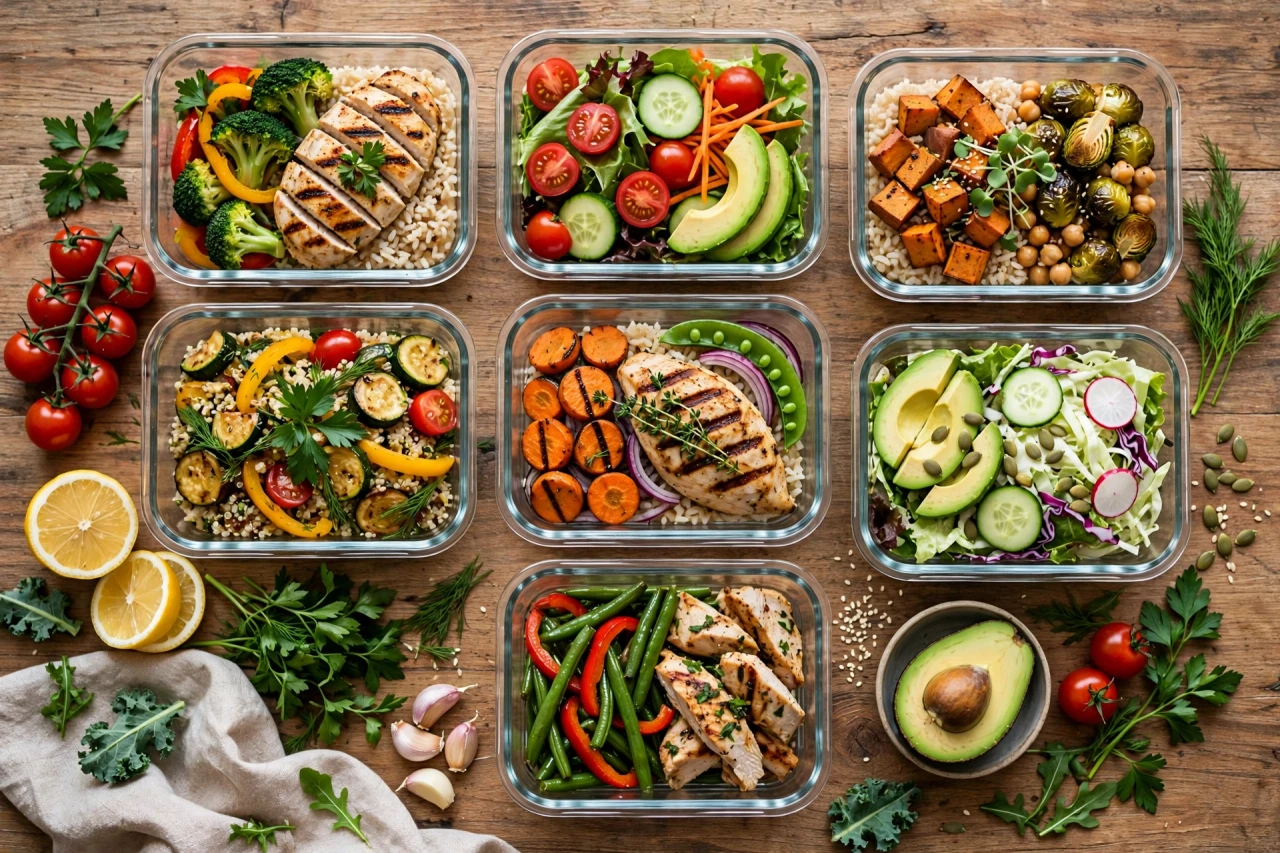
7-Day Fat Loss Meal Plan for Beginners: Simple, Affordable, and Sustainable
Short answer: Yes — a simple 7-day plan at 1,600–1,800 calories with high protein is enough to start losing fat. This guide gives you the full week, the shopping list, meal-prep tips for high-protein lunches, and a 7-day Pakistani desi diet chart for the same goal, plus what to do when you slip up.
So you want to lose fat — but every meal plan you find online feels like it was written for someone with a private chef, a grocery budget of a small country, and taste buds that genuinely enjoy plain steamed chicken breast six times a week. Sound familiar? Here is the good news: you do not need an exotic, expensive, or complicated diet to lose fat. You need a sustainable calorie deficit, enough protein at every meal, and a plan simple enough that you will actually follow it past Friday.
This 7-day meal plan gives you exactly that. Every day lands roughly 1,600–1,800 calories — a comfortable deficit for most beginners — with 100–130g of protein, real foods you can buy at any local market, and meals that take 15–20 minutes to prepare. No weird superfoods. No starving. Just straightforward, practical eating that works.
How Much Should You Eat to Lose Fat?
The golden rule of fat loss never changes: you must eat slightly fewer calories than you burn. That is the calorie deficit, and it is non-negotiable. But "deficit" does not mean "as little as possible." A small, sustainable deficit of about 300–500 calories below your maintenance level melts fat at roughly 0.5kg (about a pound) per week — fast enough to see real change, gentle enough that your energy, mood, and muscles stay intact.
Why is protein such a big deal here? Three reasons. First, protein is the most satiating macronutrient — it keeps you full far longer than carbs or fat. Second, it protects your muscle mass while you are in a deficit, which matters because muscle is what keeps your metabolism humming. Third, your body burns more calories digesting protein than it does digesting anything else — a little metabolic bonus called the thermic effect of food.
Aim for roughly 1.6–2g of protein per kilogram of body weight daily. For an 80kg person, that is about 130–160g. The meals below are built around hitting that target without you having to think about it.
What Are the Ground Rules of This Meal Plan?
- Drink water first, eat second. Keep a 1-litre bottle with you and finish at least 2–3 litres daily. Thirst often disguises itself as hunger.
- Vegetables are free reinforcements. Add extra leafy greens, cucumber, or tomatoes to any meal — they add volume and fibre for almost zero calories.
- Oil counts. Cook with a measured teaspoon or two of oil rather than pouring from the bottle. Those invisible calories are the #1 reason people stall.
- Sleep and steps matter. This plan works best alongside 7–8 hours of sleep and 7,000–10,000 daily steps. Poor sleep spikes the hunger hormone ghrelin, making every deficit harder.
- One bad meal is not a ruined week. There is a section at the end about what to do when you slip — because you will, and it is fine.
Day 1 — Monday (approx. 1,700 kcal | 120g protein)
Breakfast: Vegetable omelette — 3 whole eggs + 2 egg whites scrambled with spinach, tomatoes, and onions, 1 slice whole-wheat toast. (Approx. 380 kcal, 30g protein)
Mid-morning snack: 1 medium banana + 10 almonds. (Approx. 200 kcal, 4g protein)
Lunch: Grilled chicken breast (150g cooked) with 1 cup cooked brown rice and a big mixed salad with lemon juice dressing. (Approx. 520 kcal, 45g protein)
Evening snack: 1 cup low-fat yogurt with a handful of berries. (Approx. 150 kcal, 12g protein)
Dinner: Lentil soup (1.5 cups) with 1 whole-wheat roti and a side of cucumber salad. (Approx. 450 kcal, 22g protein)
Day 2 — Tuesday (approx. 1,650 kcal | 125g protein)
Breakfast: Overnight oats — ½ cup rolled oats soaked overnight in 1 cup low-fat milk, topped with 1 tbsp peanut butter and half a sliced apple. (Approx. 400 kcal, 16g protein)
Mid-morning snack: 2 boiled eggs with a pinch of salt and black pepper. (Approx. 140 kcal, 12g protein)
Lunch: Tuna salad — 1 can tuna in water mixed with light mayo, diced cucumber, and onion, served in 2 whole-wheat wraps with lettuce. (Approx. 480 kcal, 40g protein)
Evening snack: 1 cup roasted chickpeas (seasoned with paprika). (Approx. 180 kcal, 9g protein)
Dinner: Stir-fried chicken (120g) with mixed vegetables (capsicum, carrots, cabbage) in 1 tsp oil, served over ½ cup cooked rice. (Approx. 450 kcal, 38g protein)
Day 3 — Wednesday (approx. 1,700 kcal | 118g protein)
Breakfast: Protein smoothie — 1 scoop whey or 1 cup Greek yogurt blended with 1 banana, ½ cup frozen berries, and water/milk. (Approx. 320 kcal, 28g protein)
Mid-morning snack: 1 medium apple + 1 tbsp peanut butter. (Approx. 190 kcal, 4g protein)
Lunch: Chickpea and vegetable curry (1.5 cups) with 1 cup cooked basmati rice. (Approx. 520 kcal, 18g protein)
Evening snack: 30g mixed nuts (a small handful). (Approx. 170 kcal, 6g protein)
Dinner: Baked fish fillet (150g) with roasted sweet potato (1 medium) and steamed broccoli. (Approx. 500 kcal, 42g protein)
Day 4 — Thursday (approx. 1,680 kcal | 122g protein)
Breakfast: Whole-wheat toast (2 slices) topped with 3 scrambled eggs and a side of sliced tomatoes. (Approx. 380 kcal, 24g protein)
Mid-morning snack: 1 cup low-fat yogurt with 1 tsp honey. (Approx. 160 kcal, 12g protein)
Lunch: Chicken and vegetable soup (2 bowls) with 1 whole-wheat roll. (Approx. 480 kcal, 40g protein)
Evening snack: 1 medium orange + 15 peanuts. (Approx. 160 kcal, 5g protein)
Dinner: Beef mince (120g lean) cooked with onions and spices, served with ½ cup mashed potatoes and a green salad. (Approx. 500 kcal, 38g protein)
Day 5 — Friday (approx. 1,720 kcal | 115g protein)
Breakfast: Vegetable paratha (1, cooked in 1 tsp oil) with 1 cup low-fat yogurt. (Approx. 420 kcal, 18g protein)
Mid-morning snack: 1 protein bar or 30g roasted soy nuts. (Approx. 150 kcal, 12g protein)
Lunch: Grilled chicken tikka (150g) with 1 whole-wheat naan and mint raita. (Approx. 550 kcal, 45g protein)
Evening snack: 1 pear + a small handful of walnuts. (Approx. 180 kcal, 4g protein)
Dinner: Mixed dal (1.5 cups) with 1 cup cooked rice and pickled onions. (Approx. 420 kcal, 20g protein)
Day 6 — Saturday (approx. 1,650 kcal | 128g protein)
Breakfast: Cheese and egg sandwich — 2 whole-wheat slices, 2 eggs, 1 slice low-fat cheese, grilled. (Approx. 380 kcal, 26g protein)
Mid-morning snack: 1 cup buttermilk (lassi, unsweetened) with roasted cumin. (Approx. 100 kcal, 8g protein)
Lunch: Homemade chicken biryani (1.5 cups, made with 1 tsp oil per serving) with raita. (Approx. 520 kcal, 38g protein)
Evening snack: Cucumber and carrot sticks with 3 tbsp hummus. (Approx. 150 kcal, 5g protein)
Dinner: Pan-seared chicken breast (130g) with a large Greek-style salad (cucumber, tomato, onion, feta 20g, olives). (Approx. 500 kcal, 42g protein)
Day 7 — Sunday (approx. 1,700 kcal | 120g protein)
Breakfast: Whole-wheat pancakes (2 small, cooked in 1 tsp oil) topped with sliced banana and 1 tbsp peanut butter. (Approx. 420 kcal, 14g protein)
Mid-morning snack: 1 cup low-fat yogurt with mixed berries. (Approx. 150 kcal, 12g protein)
Lunch: Grilled fish (150g) with 1 cup cooked rice and steamed vegetables. (Approx. 500 kcal, 40g protein)
Evening snack: 2 boiled eggs with a pinch of salt. (Approx. 140 kcal, 12g protein)
Dinner: Chicken and vegetable stir-fry (130g chicken) with ½ cup noodles and a side salad. (Approx. 490 kcal, 42g protein)
What Should You Buy for the Week?
Meal prep becomes painless when your kitchen is stocked. Here is the core list for this week — adjust quantities to your household size:
Proteins
- Eggs (2 dozen), chicken breast (about 1kg), fish fillets (400g), lean beef mince (250g)
- Low-fat milk, low-fat yogurt, 1 block low-fat cheese, 1 can tuna
- Red lentils (masoor dal), chickpeas, mixed dal, roasted peanuts/almonds
Carbs
- Brown or basmati rice, rolled oats, whole-wheat flour, whole-wheat bread/naan
- Sweet potatoes, regular potatoes
Vegetables and fruit
- Spinach, tomatoes, onions, cucumber, carrots, cabbage, capsicum, broccoli, lemons
- Bananas, apples, oranges, berries (fresh or frozen), 1 pear
Pantry
- Cooking oil (measure it!), salt, black pepper, paprika, cumin, turmeric, garlic, ginger
- Peanut butter, light mayo, hummus ingredients (or ready-made)
How Can Meal Prep Save Your Week?
- Cook proteins in bulk twice a week. Grill a batch of chicken breasts on Sunday and Wednesday — 15 minutes on a pan or in the oven, sliced into containers. Lunches and dinners assemble themselves.
- Pre-cook your grains. A big pot of rice or boiled chickpeas in the fridge covers 3–4 days. Reheat portions as needed.
- Wash and chop vegetables ahead. Pre-cut salad ingredients in a sealed container stay fresh for days and remove the "too much effort" excuse at dinner time.
- Portion snacks into bags. Count out nuts into small bags on Sunday. A "handful" from the bag is very different from a handful from the jar — trust me on this one.
- Keep emergency meals ready. Frozen mixed vegetables, canned tuna, and eggs are your backup squad for days when cooking feels impossible. A tuna wrap takes four minutes.
Can I Drink Tea or Coffee on This Meal Plan?
Yes — with one caveat. Plain tea and black coffee have virtually zero calories and can genuinely help: caffeine is a mild appetite suppressant and boosts alertness. The problem is what goes into them. Two teaspoons of sugar plus full-cream milk in every cup, three times a day, quietly adds 250–300 calories. Switch to low-fat milk and cut the sugar in half (then to zero over a couple of weeks), and your chai stays on the plan.
What If I Slip Up? (You Will — Here Is the Playbook)
Let me be honest with you: over 30 days, you will eat a meal that is not on this plan. A wedding, a late-night craving, a stressful day — life happens. The difference between people who succeed and people who quit is not perfection; it is what happens after the slip.
- Never "make up for it" by skipping the next meal. Starving yourself the next day triggers rebound hunger and usually leads to a second overeat. Just return to the plan at the very next meal.
- Use the 80/20 mindset. If 80% of your week matches the plan, the other 20% barely moves the needle. One off-plan dinner in 21 weekly meals is statistical noise.
- Identify the trigger. Were you genuinely hungry, or bored/stressed/tired? If it is boredom, a 10-minute walk kills most cravings. If it is stress, the craving usually passes in 15–20 minutes.
- Keep a simple food log for the first two weeks. Not forever — just long enough to calibrate your portion sense. Most beginners are shocked to discover their "one serving" of rice is actually two and a half.
How Do I Know the Plan Is Working?
The scale is a useful tool, but it is a noisy one — water retention, digestion, and hormones can swing it by a kilogram overnight. Judge progress properly:
- Weigh yourself 3–4 mornings per week (same time, after the bathroom, before eating) and track the weekly average, not single days.
- Take measurements monthly: waist at the navel, hips, chest. Inches lost with a stable scale weight often means fat loss plus muscle gain — the best possible outcome.
- Watch non-scale victories: clothes fitting looser, more energy in the afternoon, better sleep, climbing stairs without getting winded.
- Expect 0.4–0.8kg per week. Faster than that and you are likely losing muscle and water; slower than that for three straight weeks means your portions have crept up — tighten them slightly.
What Comes After the 7 Days?
Repeat the week — seriously. Rotate the days, swap chicken for fish or eggs for yogurt, but keep the structure: protein at every meal, measured oil, vegetables for volume, one treat meal per week if you want it. Sustainable habits beat perfect plans every time. After 4–6 weeks of consistent eating like this, most beginners drop 2–4kg of genuine fat while feeling more energetic, not less.
The real secret of this meal plan is that there is no secret. It is just decent food, in sensible amounts, eaten consistently. Anyone can do that — including you. Start with Day 1 tomorrow morning, and give your future self the gift of momentum.
Before the Plan: 5 Ground Rules
- Protein at every meal. Eggs, chicken, daal, chana, dahi, fish — aim for a palm-sized portion. Protein keeps you full and protects muscle.
- Measure your roti/rice. 2 rotis (60–80g atta) OR 1 cup cooked rice per meal — not both, not more.
- 2–3 teaspoons of cooking fat per meal, max. Read our ghee vs oil guide if you missed it.
- Sugar: max 2 teaspoons a day (in chai). No cold drinks, no mithai during these 7 days.
- One big salad or sabzi portion daily. Volume keeps you full on few calories.
Day 1 — Monday
- Breakfast: 2 boiled eggs + 1 small roti + 1 cup doodh patti (1 tsp sugar)
- Lunch: 1 cup masoor daal + 2 rotis + kheera-tamatar salad
- Snack: 1 apple + 10 almonds
- Dinner: Grilled chicken (1 leg piece, no skin) + mixed sabzi + 1 roti
Day 2 — Tuesday
- Breakfast: Oats/dalia porridge in milk + 1 banana (small)
- Lunch: 1 cup cooked rice + chicken curry (2 small pieces, less oil) + salad
- Snack: 1 cup low-fat dahi + 1 tsp honey
- Dinner: Chana chaat (1.5 cups kala chana, onion, tomato, lemon) + 1 roti
Day 3 — Wednesday
- Breakfast: 2-egg omelette (1 tsp oil) + 1 roti + chai (no sugar)
- Lunch: 2 rotis + palak gosht (lean pieces) + salad
- Snack: 1 orange + handful of roasted peanuts
- Dinner: Fish curry (rohu/surmai, 1 piece) + 1 cup rice + steamed vegetables
Day 4 — Thursday
- Breakfast: Besan cheela (2, minimal oil) + mint chutney + chai
- Lunch: 1 cup rajma/lobia + 1 cup rice + salad
- Snack: 1 pear + 1 boiled egg
- Dinner: Chicken tikka (2 pieces, homemade) + 2 rotis + raita
Day 5 — Friday
- Breakfast: Vegetable paratha (1, cooked in 1 tsp oil) + 1 cup low-fat dahi
- Lunch: 1 cup cooked rice + palak gosht (lean pieces) + salad
- Snack: 1 pear + 1 boiled egg
- Dinner: Chicken tikka (2 pieces, homemade) + 2 rotis + raita
Day 6 — Saturday
- Breakfast: Oats/dalia porridge in milk + 1 banana (small)
- Lunch: 2 rotis + masoor daal (1 cup) + kheera-tamatar salad
- Snack: 1 orange + handful of roasted peanuts
- Dinner: Grilled chicken (1 leg piece, no skin) + mixed sabzi + 1 roti
Day 7 — Sunday
- Breakfast: 2-egg omelette (1 tsp oil) + 1 roti + chai (no sugar)
- Lunch: 1 cup rice + fish curry (rohu/surmai, 1 piece) + steamed vegetables
- Snack: 1 cup low-fat dahi + 1 tsp honey
- Dinner: Chana chaat (1.5 cups kala chana, onion, tomato, lemon) + 1 roti
Why Is Protein So Important at Lunch?
Protein is the nutrient that keeps you full, steady, and focused through the afternoon. Unlike a lunch built mostly from refined carbohydrates, which can leave you sleepy and hungry again by three o'clock, a protein-rich lunch provides lasting energy and helps you avoid the afternoon slump and the biscuit tin that comes with it.
Protein also supports muscle maintenance and repair, which matters whether you train regularly or simply want to stay strong and healthy as you age. Most adults benefit from including a palm-sized portion of protein at lunch, roughly twenty-five to forty grams, alongside vegetables and a source of slow-release carbohydrate such as rice, quinoa, or wholegrain bread.
How Much Protein Do I Need in Each Lunch?
A useful target for most adults is twenty-five to forty grams of protein per lunch, though your ideal amount depends on your body size, activity level, and overall diet. You do not need to weigh everything obsessively. A portion of chicken breast about the size of your palm, a cup of Greek yoghurt, or a generous serving of lentils and chickpeas will each get you roughly into that range.
Variety matters more than precision. Rotate your protein sources through the week so you get different nutrients and do not get bored. Chicken, turkey, beef, fish, eggs, tofu, tempeh, lentils, chickpeas, and Greek yoghurt are all excellent choices, and most of them are affordable and easy to cook in batches.
What Equipment Do I Need for Meal Prep?
You do not need fancy equipment to meal prep well. A few good-quality, leak-proof containers are the essential purchase, ideally glass or sturdy plastic with separate compartments if you like keeping foods apart. A large baking tray, a big pot, and a sharp knife will handle most of the cooking.
- Five to ten reusable containers with tight-fitting lids.
- A large baking tray for roasting vegetables and proteins together.
- A large pot or rice cooker for grains.
- Small sauce pots for dressings, kept separate until eating.
- Labels or masking tape and a pen, so you know what is what.
How Do I Plan a Week of High-Protein Lunches?
Start by choosing two or three protein bases for the week rather than five different ones. Cooking two proteins in bulk is far quicker than cooking five separate meals, and you can vary the flavours with different sauces, grains, and vegetables so no two days feel identical.
A simple planning formula works well. Pick a protein, pick a grain or starchy vegetable, add at least two vegetables, and finish with a sauce or topping. For example, grilled chicken with rice, roasted peppers, and a lemon herb dressing one day becomes chicken with quinoa, roasted sweet potato, and a spicy yoghurt sauce the next, with barely any extra effort.
What Are the Best High-Protein Lunch Recipes?
Here are five reliable combinations that hold up well in the fridge and taste great cold or reheated:
- Grilled chicken, brown rice, roasted broccoli and carrots, with a lemon and herb dressing.
- Chilli con carne made with lean beef or turkey, served with rice and a spoonful of Greek yoghurt.
- Roasted chickpea and quinoa bowls with sweet potato, spinach, feta, and a tahini dressing.
- Salmon or tuna pasta salad with wholewheat pasta, peas, sweetcorn, and a light yoghurt dressing.
- Tofu stir-fry with mixed vegetables and noodles, finished with a soy, ginger, and sesame sauce.
Frequently Asked Questions
How many calories should a beginner eat to lose fat?
Most beginners do well on roughly 1,600 to 1,800 calories a day, but the right number depends on your size, age and activity. Start here, track for two weeks, then adjust.
Do I have to count calories on this meal plan?
No. The plan is built to land in the target range if you follow the portions. Counting is optional — useful if progress stalls, but not required to start.
Can I drink tea or coffee on this meal plan?
Yes. Plain tea and black coffee are fine and can even help appetite. Just skip the sugar and limit milky, sweetened drinks that add hidden calories.
What if I slip up for a day?
One off-plan day changes almost nothing. Get back to the plan at the very next meal instead of writing off the whole week — consistency across weeks is what matters.
What comes after the 7 days?
Repeat the week with small swaps to avoid boredom, and adjust portions up or down based on your weight trend. The plan is a template, not a one-week fix.
Related Reading
Disclaimer: This article is for general fitness and nutrition information only and is not medical advice. Consult a qualified healthcare professional before starting any new exercise or diet program, especially if you have a medical condition.



 Posts


No comments:
Post a Comment